Oncotype DX Breast Recurrence Score® Test Surpasses 2 Million Patients Worldwide
Milestone underscores test’s significant role as a global standard-of-care in guiding personalized breast cancer treatment
The predictive utility of this test helped an estimated 1.6 million patients safely avoid potentially unnecessary chemotherapy
Economic models demonstrate improved outcomes and the potential for
This press release features multimedia. View the full release here: https://www.businesswire.com/news/home/20260203580023/en/
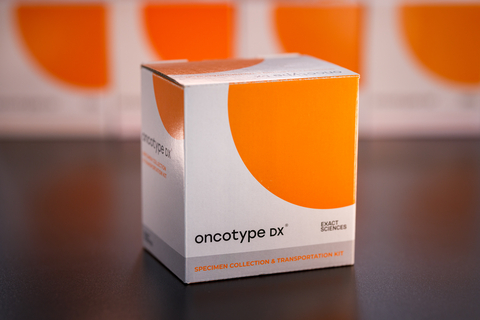
The Oncotype DX® test delivers personalized genomic results to guide treatment decisions for patients with early-stage HR+, HER2- breast cancer. It remains the only genomic test proven to predict adjuvant chemotherapy benefit.
“Reaching 2 million patients reflects the deep trust clinicians and patients place in the Oncotype DX®test,” said
Twenty-two years after the trailblazing test first revolutionized breast cancer treatment, the Oncotype DX test remains the only genomic test proven to predict adjuvant chemotherapy benefit. The test has played a pivotal role in personalizing care, de-escalating treatment, and sparing an estimated 1.6 million patientsi (of the 2 million tested) around the world from potentially unnecessary treatment.ii Using a published economic model, it is estimated that use of the Oncotype DX test to inform adjuvant treatment decisions among HR+, HER2- patients resulted in average lifetime savings of approximately
Predictive vs. prognostic and why it matters
The Oncotype DX Breast Recurrence Score test delivers personalized genomic results to guide treatment decisions for patients with early-stage HR+, HER2- breast cancer. It is the only genomic assay proven to be both prognostic of distant recurrence risk andpredictive of chemotherapy benefit.
Predictive and prognostic tests serve very different purposes; prognostic tests provide insight into how a cancer may behave over time – such as the likelihood of recurrence – but they do not provide information about treatment benefit. Predictive biomarkers help determine whether a patient is likely to benefit from a specific therapy, information that can directly guide treatment choice and support more individualized care. Chemotherapy benefit prediction remains a critical need in individualized breast cancer treatment.
By integrating Recurrence Score®results with clinical and pathological factors, the RSClin®tools can provide even deeper understanding of the estimated genomic risk to help inform clinical decision-making. For patients and clinicians seeking additional clarity, it provides more individualized estimates of distant recurrence risk and absolute chemotherapy benefit.
The Oncotype DX Breast Recurrence Score test’s performance has been consistently validated across diverse populations – ensuring equitable access regardless of race or ethnicity – and is used in more than 100 countries worldwide. It is the only genomic breast cancer test that has earned a Category 1A recommendation in the National Comprehensive Cancer Network (NCCN®) Clinical Practice Guidelines, providing the highest level of evidence to inform personalized treatment decisions. Recognized as a standard-of-care for patients with early-stage breast cancer, the test is supported by a robust body of clinical evidence from landmark trials, including NSABP B-20, SWOG 8814, TAILORx, and RxPONDER.
About
A leading provider of cancer screening and diagnostic tests,
NOTE: Oncotype DX, Oncotype DX Breast Recurrence Score, Recurrence Score, Oncodetect, and RSClin are trademarks of
Forward-Looking Statement
This news release contains forward-looking statements concerning our expectations, anticipations, intentions, beliefs, or strategies regarding the future. These forward-looking statements are based on assumptions that we have made as of the date hereof and are subject to known and unknown risks and uncertainties that could cause actual results, conditions, and events to differ materially from those anticipated. Therefore, you should not place undue reliance on forward-looking statements. Examples of forward-looking statements include, among others, statements we make regarding our expectations for our products and services and their impact on patients; our strategies, commercialization efforts, positioning, capabilities and expectations for future events or performance. Risks and uncertainties that may affect our forward-looking statements are described in the Risk Factors sections of our most recent Annual Report on Form 10-K and any subsequent Quarterly Reports on Form 10-Q, and in our other reports filed with the Securities and Exchange Commission. We undertake no obligation to publicly update any forward-looking statement, whether written or oral, that may be made from time to time, whether as a result of new information, future developments, or otherwise.
|
____________________ |
|
i This estimate was calculated using the total global lifetime volume of patients that had an Absolute Chemotherapy Benefit result of <1% using the Oncotype DX Breast Recurrence Score test, as this value is defined for each nodal and menopausal (or assumed by age) status. |
|
ii Data on File as of 12/2025 at |
View source version on businesswire.com: https://www.businesswire.com/news/home/20260203580023/en/
Media Contact
+1 949-468-7854
gpedroza@exactsciences.com
Investor Contact
+1 608-893-0009
investorrelations@exactsciences.com
Source:
